

Muscle imbalances occur when one muscle or group of muscles is stronger, tighter, or more developed than its opposing muscles. This condition can lead to poor posture, discomfort, pain, and even injury over time. Many individuals seek various methods to address these imbalances, ranging from physical therapy and exercise to relaxation techniques. Among these options, massage chairs have gained popularity as a convenient tool for muscle relief and recovery. But can massage chairs truly help with muscle imbalances?
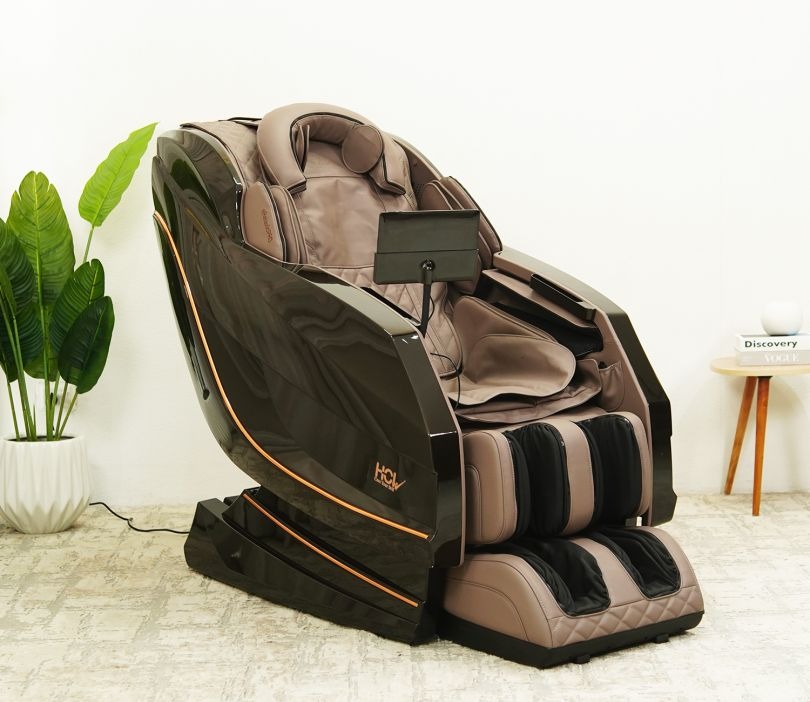
Massage chairs are designed to simulate the hands of a professional masseuse by providing kneading, rolling, tapping, and vibration massages targeting different parts of the body. These functions aim to increase blood flow, reduce muscle tension, promote relaxation, and alleviate soreness. When it comes to muscle imbalances specifically-which often involve tightness in certain muscles coupled with weakness in others-massage chairs may offer some benefits but also have limitations.
One key advantage of using a massage chair reviews is its ability to relax tight muscles that contribute to imbalance issues. Tightness often restricts movement and causes compensatory patterns in other areas of the body. By loosening these tense muscles through consistent massage sessions, individuals may experience improved flexibility and reduced pain levels. Enhanced circulation brought about by massage can also accelerate healing processes within soft tissues.
However, while massage chairs can help relieve symptoms associated with muscle imbalances such as stiffness or localized discomfort, they do not directly correct the underlying cause: muscular strength discrepancies or faulty movement patterns. Addressing an imbalance requires targeted strengthening exercises for weaker muscles alongside stretching of tight ones-a process best guided by physical therapists or trained professionals.
Moreover, most massage chairs follow preset programs that apply uniform pressure without tailoring treatment based on individual needs or specific muscular weaknesses. This lack of customization means that although general relaxation is achieved easily at home via these devices; precise correction demands more personalized interventions.
In summary, massage chairs serve as useful adjuncts for managing symptoms linked with muscle imbalances by promoting relaxation and reducing tightness in overactive muscles. They provide convenience for regular self-care routines aimed at maintaining muscle health but should not be relied upon exclusively for correcting structural muscular problems. Combining their use with proper exercise regimens focused on strengthening weak areas will yield better long-term outcomes.
Ultimately, anyone experiencing persistent discomfort related to suspected muscle imbalances should consult healthcare providers who can perform thorough assessments and develop comprehensive treatment plans tailored specifically toward restoring balance throughout the musculoskeletal system. Massage chairs represent one part of an overall strategy rather than a standalone solution when dealing with complex issues like muscle imbalance conditions.
